Introduction
In recent years, the popularity of nang tanks, particularly in cities like Melbourne, has actually risen. These small gas containers, frequently filled with laughing gas, are typically utilized for whipping cream and producing an euphoric experience among leisure users. However, this growing pattern brings with it substantial ecological issues. This post looks into The Environmental Effect of Nang Tanks and How to Reduce It, providing insights into sustainability practices and responsible usage.
Table of Contents
Understanding Nang Tanks- 1.1 What Are Nang Tanks? 1.2 Typical Uses of Nang Tanks 1.3 Popularity of Nang Tanks in Melbourne
- 2.1 Emission Issues Related to Nitrous Oxide 2.2 Contribution to Climate Change 2.3 Waste Management Concerns
- 3.1 Dangers Connected with Nitrous Oxide 3.2 Responsible Use Guidelines
- 4.1 Sustainable Practices for Using Nang Tanks 4.2 Recycling Options for Utilized Nangs 4.3 Neighborhood Efforts in Melbourne
- 5.1 Present Laws and Laws 5.2 Future Legislation Considerations
- 6.1 Educating Users About Environmental Effects 6.2 Promoting Responsible Intake
Understanding Nang Tanks
What Are Nang Tanks?
Nang tanks, generally small metal cylinders, consist of nitrous oxide (N TWO O), a colorless gas with a slightly sweet odor and taste, typically used in culinary applications such as whipped cream dispensers or "whippets." While this compound is legal when utilized properly in cooking, its recreational usage is significantly prevalent, particularly among younger demographics looking for a fast high.
Common Uses of Nang Tanks
While many people associate nang tanks with their cooking applications-- mostly in the hospitality market for whipped cream-- the recreational use has actually overshadowed their original purpose over time.
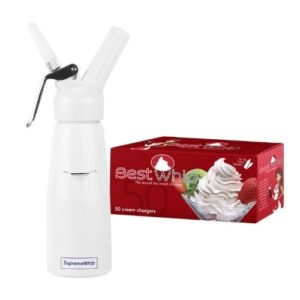
- Culinary Uses: Chefs and bartenders utilize nangs for producing airy textures in desserts. Recreational Use: Lots of individuals breathe in laughing gas from these containers for its euphoric effects.
Popularity of Nang Tanks in Melbourne
In Melbourne, nang tanks have gained notoriety not simply for their culinary applications however likewise as a party drug amongst youth culture-- typically sold through local corner store or online shipment services.
The Environmental Impact of Nang Tanks
Emission Concerns Related to Nitrous Oxide
Nitrous oxide is classified as a greenhouse gas, over 300 times more potent than co2 when considering its capability to trap heat in the environment over a century-long period.
- According to the Environmental Protection Agency (EPA), laughing gas emissions contribute considerably to international warming. The increase in use without appropriate guidelines worsens these emission issues considerably.
Contribution to Environment Change
The increase in nang tank usage correlates with increased levels of laughing gas being launched into the atmosphere:
- As leisure usage grows outside managed environments, unintended emissions escalate. The long-lasting impacts could lead to increased environment instability, impacting farming productivity and ecological balance.
Waste Management Concerns
Another pressing issue surrounding nang tanks is waste management:
- Once emptied, these cylinders contribute considerably to garbage dump waste if not dealt with responsibly. Many regional councils lack appropriate recycling programs specifically targeting metal cylinders like those utilized for nangs.
Health and Security Concerns
Risks Associated with Nitrous Oxide
While many see laughing gas as safe fun, it brings numerous health risks:
- Short-term impacts include dizziness, euphoria, and possible loss of coordination. Long-term usage might lead to vitamin B12 deficiency or neurological damage due to oxygen deprivation.
Responsible Usage Guidelines
For those picking to use nangs:
- Always ensure appropriate ventilation. Avoid utilizing them while operating vehicles or machinery.
By following responsible standards, users can lessen health threats associated with nitrous oxide consumption.
Minimizing the Ecological Impact
Sustainable Practices for Utilizing Nang Tanks
To reduce the environmental effect associated with nang tanks:
Opt for brands that prioritize sustainability. Limit intake; consider options when possible. Participate in neighborhood clean-up efforts targeted at collecting discarded canisters.
Recycling Choices for Used Nangs
Innovative recycling solutions are emerging:
- Some companies are now accepting utilized nangs for correct recycling processes. Check local facilities that might use metal recycling choices customized for small canisters.
Community Initiatives in Melbourne
Local communities are stepping up:
- Initiatives focused on raising awareness about accountable nang tank disposal are ending up being more common across Melbourne neighborhoods. Engaging local schools and companies helps cultivate an understanding of ecological stewardship regarding chemical products.
Legal Laws Surrounding Nang Tank Usage
Current Laws and Regulations
In Australia, laws governing the sale and circulation of laughing gas vary by state:
- While legal for cooking purposes, restrictions on age limits exist worrying leisure use.
Future Legislation Considerations
As awareness grows concerning the ecological effects connected to extreme usage:
- Lawmakers might introduce stricter policies around sales and circulation-- potentially limiting gain access to exclusively for cooking purposes.
Consumer Awareness and Responsibility
Educating Users About Environmental Effects
Educational projects play vital functions:
- Informing customers about both health ramifications and ecological repercussions related to laughing gas motivates responsible behaviors.
Promoting Accountable Consumption
Encouraging small amounts is crucial:
- Highlighting safe practices guarantees that users enjoy their experiences without jeopardizing their health or environment's integrity.
FAQs
Q1: What are some alternative uses for nang tanks besides recreational use?
A: Besides light whipping cream for cooking purposes, they're sometimes used in professional kitchens for creating light textures or foams in gourmet dishes.
Q2: Can I recycle empty nang tanks?
A: Yes! Numerous recycling facilities accept empty metal cylinders; nevertheless, examine local regulations first!
Q3: Exists any health danger related to breathing in from nang tanks?
A: Yes! Inhaling from nangs can result in lightheadedness and even more major conditions if misused with time due to oxygen deprivation risks.
Q4: Where is it legal to acquire nang tanks?
A: In Australia, you can buy them legally at different retail outlets; nevertheless limitations may use based on age or meant use contextually connected to cooking versus recreation.
Q5: How does using nag tanks contribute towards environment change?
A: Excessive emissions from laughing gas effect atmospheric warming substantially since it's a lot more potent than CO ₂ over long periods!
Q6: What community efforts exist focusing on minimizing waste from utilized nangs?
A: A number of community programs across cities like Melbourne concentrate on educating residents about proper disposal techniques along with organized clean-up occasions targeting deserted taking on cans!
Conclusion
Navigating the world of nang tanks needs an understanding not only of their uses but also their far-reaching effect on our environment https://edgarvowd733.almoheet-travel.com/nang-tanks-delivery-in-melbourne-a-quick-guide and individual health-- thus why examining The Environmental Impact of Nang Tanks and How to Reduce It ends up being vital as customer practices develop within society today! By promoting awareness surrounding sustainable practices while promoting responsible usage amongst users themselves-- together we can assist minimize some burdens upon our planet's fragile communities while still delighting in life's basic enjoyments responsibly!