Whipped cream is ruthless. A few levels too cozy, a canister knocked on its side, a seal that dries, and your foam collapses into pleasant soup. I discovered this the bothersome means while prepping desserts at a small bistro in Carlton, where the bread fridge was older than the head chef and the door gasket had a lot more gaps than a bowl-shaped sieve. With time, the team developed a reliable playbook for keeping Nang Canisters, and later, larger Nang Cylinders and Nang Tanks, that maintained every service smooth. Good storage space protects gas purity, secures seals, and conserves money, whether you are running a café spitting out a hundred coffee crowns a day or you maintain a solitary lotion whipper next to the coffee machine at home.
This guide distills that hands-on understanding into clear rules, trade-offs, and sanity checks. The principles apply across brand names, sizes, and use situations, with a couple of additional notes for the local crowd equipping Nang Tanks Melbourne, Nang Cylinders Melbourne, and Nang Canisters Melbourne where summer warmth and salted seaside air add their own complications.
What freshness truly indicates with nitrous
For whipped cream, "freshness" carries 2 measurements. Initially, the cream itself, which is subject to spoiling and entirely different from your gas supply. Second, the laughing gas that drives the oygenation. N2O does not go stale in a food sense. The gas stays chemically secure for years. What concessions freshness is the shipment: broken down seals, moisture ingress, steel rust, temperature swings, and contaminant exposure. Appropriate storage decreases those threats so your gas gives cleanly and constantly, fired after shot, without weird scents, sputters, or pressure drop-offs.
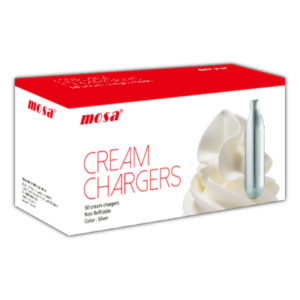
Tiny Nang Canisters have crimped steel bodies with a slim neck that gets pierced by your cream whipper. Nang Cylinders and Nang Tanks utilize a valve and regulator, so the failing settings vary. Still, they all dislike warmth, moisture, and harsh handling.
Temperature: the principal variable you can control
Keep nitrous cool, not cool. That single line avoids much more problems than anything else. For Nang Canisters, the pleasant place is average area temperature level on the low side, regarding 15 to 21 ° C. For bigger Nang Cylinders and Nang Tanks, aim for the same array. Hotter environments raise interior pressure. Elevated pressure emphasizes seals and can increase corrosion in the visibility of moisture. Cold, on the other hand, makes elastomers brittle and urges condensation when the container warms up again.
I have actually seen operators tuck away Nang Canisters in refrigerators to "maintain them fresh." That's counterproductive. Cold steel attracts condensation as quickly as the canisters come back into the kitchen area. A light movie of moisture welcomes rust where the painted finish is slim. Worse, water near the piercing point risks small quantities going into the head, producing an off aroma as soon as discharged. Maintain your containers dry and great on a rack as opposed to cold in a fridge. If your kitchen overheats midday, shop canisters in an adjacent cupboard or office with stable temperature. For Melbourne summers, a ventilated cupboard away from home windows shields you from afternoons that surge above 30 ° C.
With Nang Cylinders and Nang Tanks, temperature level management comes to be a lot more immediate because there's more gas mass and even more pressure. Do not leave them in a hot vehicle. Do not place them near stoves, dishwashers venting heavy steam, or warm sills. On a scorching January day in Melbourne, a cylinder left near a glass door can climb up well previous safe standards. Give it shade, spacing, and airflow. A simple guideline that works: if the surface really feels cozy to the touch, move it.
Humidity, corrosion, and the quiet fight versus moisture
Nitrous oxide itself is inert sufficient for food usage. Moisture is the adversary. In high moisture, steel canisters remain damp and at some point spot-rust. Rust is greater than cosmetic; it weakens the shell near thin sections and sheds particles that can clog a whipper head. Maintain cylinders in a dry area. A plastic lug with a tight cover works if your storeroom runs damp, however toss in a couple of silica gel packages and switch them monthly. Stay clear of the lure to make use of cardboard boxes long-lasting in wet storage rooms. Cardboard holds dampness and motivates deterioration where it touches the metal.
For Nang Cylinders and Nang Tanks, watch the base. Condensation can collect under a tank that remains on a concrete flooring, especially over night. A rubber floor covering or a wood system an inch off the ground cuts off the cold sink and permits air movement. Wipe down tanks if they grab condensation after transit. If you can scent the sea in your store, you must be specifically careful, due to the fact that salted air speeds corrosion. This is a genuine variable for bayside procedures from St Kilda to Williamstown, where unsealed roller doors pull briny air right into the prep area.
Light and UV: not your most significant issue, yet worth addressing
Nitrous won't photodegrade at night insides of a container or tank. Light matters indirectly. Prolonged straight sunlight heats the container and speeds up aging of rubber or silicone parts on regulators and valves. Store out of sunshine for temperature level control alone. For front-of-house arrangements, put your cyndrical tube behind the counter or under a bench, with the regulatory authority dealing with external for very easy reading and adjustments.
Physical handling: dents, oils, and orientation
Nang Canisters look tough. They are not. A tiny dent can compromise the neck. Do https://blogfreely.net/conaldddnt/nang-tanks-melbourne-usual-buying-mistakes-to-prevent not pour them loose into a drawer. Maintain them in their trays or a compartmentalized bin so they don't clatter right into each various other whenever you open it. If your team manages coffee beans near the very same bench, pointer second: oils from food or hands are fine on the shell, however keep them far from the piercing factor and gaskets. Wipe the neck with a tidy, dry cloth if it looks smudged.
Orientation matters more with bigger cylinders. Store Nang Cylinders upright, safeguarded to a steady item with a band or chain. Regulators are made to meter gas stage, not liquid that might collect if the container lies on its side. Some nitrous cylinders might consist of a percentage of liquid N2O under stress; you'll get rough eruptions and unpredictable circulations if the shutoff dips into liquid. An upright cyndrical tube, well strapped, with the valve cap on when not being used, is the standard you want. In a little coffee shop, I secure the strap to a bench leg or stonework, not to a flimsy plywood divider.
The regulator: the smallest component that causes the greatest headaches
On Nang Cylinders and Nang Tanks, the regulator makes or damages consistency. Storage for freshness consists of securing the regulatory authority from dirt and unexpected knocks. Dust is rough. If you leave a regulator revealed in a kitchen that likewise grinds coffee and sifts flour, that powder will creep into relocating components. When you're provided for the day, shut the cyndrical tube shutoff, bleed the line to no, eliminate the regulator if your SOP permits, and cap both sides. If you keep the regulator connected, cover it with an equipped sleeve. I have actually utilized a tidy, cut-down neoprene koozie in a pinch. Much less extravagant than a manufacturing facility cover, a lot more reliable than nothing.
Do not store a regulatory authority under pressure for lengthy stretches. O-rings last much longer when they relax at absolutely no stress. Weekly, provide the threaded links a peek. Replace O-rings before they split or squash. If an O-ring loses small crumbs when you remove it, that debris can work downstream and clog your lotion head filter. Many drivers blame containers for inconsistent foam when the genuine offender is a worn out O-ring or a regulator that never obtains cleaned.
Inventory rotation: day codes and first-in, first-out
Most Nang Canisters lug set codes and dates. They are not like milk with a tough expiry, however there is no justification to let them collect dirt at the back of a cupboard. Adopt a first-in, first-out method. Place brand-new supply behind old supply. For a busy shop, a regular count suffices: verify the number of sleeves you have, note open sleeves, and position them for next use. Mark the sleeve with the day opened up. The goal is to prevent partial sleeves from resting for months.
For Nang Cylinders and Nang Tanks, booking down payments and swaps often control your turning. Even then, track solution day and expected exhaustion price. If a container rests virtually full for months, ask on your own why. Perhaps your dishes altered, or bench stopped making use of the whipper, or your regulator leaks slightly. Gas that remains extra is not a quality threat, yet idle equipment can establish seal issues. A quick weekly leakage check brings confidence and prevents you from blaming the container when your whipped cream lets down on a busy Saturday.
Safety overlaps with freshness
Safety policies are not a different category from freshness. They strengthen one another. If you save Nang Cylinders upright, strapped, topped, and completely dry, they are more secure and they give a lot more reliably. If you maintain glass and hefty steel far from containers and heads, you decrease the threat of dents and contamination. If you position containers far from warm sources, you safeguard seals and maintain pressure. Compose these behaviors as soon as, after that follow them daily. Team changes continuously in hospitality. Procedures remain put.
Melbourne quirks: warm spikes, transport, and room constraints
The phrase "4 seasons in a day" has teeth below. In Melbourne, a southerly adjustment can swing the kitchen from 33 ° C to 18 ° C in an afternoon. Temperature swings drive condensation. In method, that suggests your containers sweat when the awesome change hits, then rust if the movie sticks around. Keep a dry towel near the canister bin. If steel surface areas really feel wet after a modification, wipe them once. Use a dehumidifier if your preparation area runs damp.
Transport is an additional neighborhood pain point. Many operators supply Nang Tanks Melbourne through same-day delivery, after that leave cylinders near the door awaiting a silent moment to move them. Do not. Bring them in, upright, and secure them instantly. If you run a food truck or market delay, deal with the cylinder like a guest: distorted, shaded, never ever rolling around the van. Warmth tension throughout transport can be the single largest hit to long-lasting freshness. For Nang Cylinders Melbourne and Nang Canisters Melbourne, accumulate during the cooler hours when possible.
Space is tight in most urban venues. If storage forces you to select between a hot back corner by the dishwasher or an awesome workplace upstairs, take the office. Develop a small, labeled nook: cylinders in shut bins, container on a band, regulator covered. A few meters of walking beats a hundred irregular servings.
How numerous canisters to go on hand
You want sufficient supply to come through provider hiccups, not a lot that plans rest for ages. In my experience, a café generating 50 to 80 treats or beverages with whipped coatings per day will go through one to two sleeves of Nang Canisters daily. Keeping a week of buffer is sensible, specifically around vacations when shipments can slip. For event food caterers, match your order to the event volume plus 10 to 15 percent. If you handle larger configurations with Nang Cylinders, one typical cyndrical tube can drive numerous hundred portions depending on your dish and waste. Tape your numbers. After 2 weeks, you will recognize your real burn rate.
The securing surfaces: tidy, completely dry, and lightly protected
No conversation of quality is complete without concentrating on the points where steel satisfies rubber. On little canisters, the seal takes place inside the whipper head. Maintain that interface spotless. Do not lubricate with cooking oil. Oils can swell seals and attract grit. If you should problem a seal, utilize a small amount of silicone-compatible lube designed for food equipment, and apply sparingly. For containers, the valve strings and O-rings need to be tidy and smooth. A solitary hair or dust pellet can endanger the seat, creating a pale hiss that you just see when you see the scale drift overnight.

While storing, cap everything. Use thread guards and shutoff covers. If a protective cap goes missing out on, change it instantly. Threads ding easily, and a nick near the begin can catch metal flakes that migrate into your regulator.
Shelf systems and containers that actually work
Over the years, I've picked a couple of storage space gears that take on active kitchen areas:
- Shallow clear bins with breeze lids for Nang Canisters, each identified with batch and open date, stacked no greater than two high, and continued a cord shelf that allows airflow. A specialized cyndrical tube bay: a 30 cm wide room with a wall-mounted strap, a rubber mat under the tank, a hook for the regulator sleeve, and a laminated quick-check card.
Those two aspects address 90 percent of the storage space mayhem. Cord shelving matters. Unlike strong wood, it does not catch spills and it allows moisture match. Clear containers minimize searching and misuse. The band prevents tip-overs in service hurries when somebody pounds into the bench.
Troubleshooting quality issues
Sometimes, regardless of perfect storage, efficiency slides. Detect prior to you condemn the gas.
If the foam sputters or types huge bubbles, check the lotion temperature first. Warm lotion whips improperly regardless of just how beautiful your N2O. Next, inspect the whipper filter and nozzle. A clogged filter shakes off circulation. Consider the puncturing pin for burrs that eat the cylinder neck and lost steel. Change the gasket in the whipper head if it feels stiff or flattened.
If you hear irregular hiss or the initial shot is weak and the second extremely strong, your head might be dripping gradually in between costs. That leak is usually invisible. Shop the charged whipper upright in the refrigerator between usages, and listen for any kind of hiss when you remove it. Change the head O-ring if doubtful. When you settle these mechanical issues, the very same Nang Canisters you presumed will all of a sudden perform as expected.
For tanks, if your pressure scale goes down overnight with the valve shut, you likely have a regulator or suitable leak. Spray a light soap service on links and search for bubbles. Tighten up to spec, change O-rings, and retest. Only after removing leakages need to you think about storage tank concerns. Credible suppliers rotate supply and test valves. The quality problems almost constantly live at your link points.
Waste decrease and environmental sense
Treat storage space as the front line of waste avoidance. Harmed canisters and prematurely changed regulators produce unnecessary scrap. Maintain a container for invested Nang Canisters and recycle according to neighborhood metal recycling guidelines. Many councils accept steel cartridges if fully vacant, yet plans vary, so verify before you drop off. For Nang Cylinders and Nang Tanks, participate in swap programs that refurbish or appropriately requalify containers. In Melbourne, the majority of providers run swap-and-go systems. That keeps the loophole limited and safe.
If you do wind up with rust-specked containers, do not use them. Establish them aside, count them, and speak to your distributor. Surface corrosion after months in a damp cabinet is on you. Rust right out of package gets on the supply chain. Great suppliers wait their product and will certainly assist you determine where the dampness exposure happened.
Training the group: the most boring section that conserves you the most money
Your mindful storage space plan implies absolutely nothing if the mid-day change lobs canisters right into a steel drawer or tucks away the storage tank close to the stove since it's "only for an hour." Write a portable SOP and make it part of onboarding. Demonstrate the band, the bin, the wipe-down, the cap. Clarify why temperature level and dryness matter. People follow guidelines when they understand the reason. If you run a place that changes personnel usually, post a simple visual near the storage space location, not a wall of message. A photo of the correct arrangement beats a paragraph on policy.
When to range from canisters to cylinders
Storage factors to consider aspect right into the option between Nang Canisters and Nang Cylinders. If you are shedding through lots of cylinders daily, a cylinder with a regulatory authority simplifies logistics and decreases waste. Cylinders demand stricter storage technique: upright, safeguarded, shutoff defense, and clearances. If your place does not have a secure anchor factor or you move between websites often without a protected transport technique, stick with cylinders up until you can fulfill those conditions. In Melbourne, where many drivers manage pop-ups and shared kitchens, I've seen individuals shoehorn a storage tank under a trestle table. Don't do it. Cylinders are a lot more flexible in short-term setups.
How correct storage space turns up in the cup and on the plate
You can taste good storage space. Constant gas distribution creates a limited, smooth foam that holds its shape on a warm beverage without crying. It pipes tidy rosettes on pavlova and clings to strawberries without transforming grainy. It creates the same framework at 5 pm as it did at 9 am. Behind that sensory outcome is a chain of tiny successes: a cylinder that wasn't nicked in a drawer, a storage tank that didn't heat up, a regulatory authority that didn't accumulate dirt, an O-ring that still had spring, and a bin that kept moisture away. Guests discover uniformity also if they can not call it. Regulars become fans when every offering looks right.

A small checklist for everyday storage discipline
- Store Nang Canisters in an amazing, dry area at approximately 15 to 21 ° C, in closed, classified containers with airflow. Keep Nang Cylinders and Nang Tanks upright, strapped, topped, shaded, and off the bare floor. Protect regulatory authorities: close valves after solution, soothe stress, cap strings, cover the body, and replace weary O-rings. Rotate supply first-in, first-out, and mark opened sleeves and in-service containers with dates. Wipe off condensation after temperature level swings, especially usual in Melbourne's changeable weather.
Final notes from the bench
I have actually dealt with gas setups that ran perfectly for months and others that was mischievous every weekend. The distinction was never ever an expensive device or a secret brand of container. It was storage space. Trendy, completely dry, upright, clean, and protected, with a hint of fear concerning wetness and a healthy and balanced respect for mechanical seals. If you apply those routines to Nang Canisters, Nang Cylinders, and Nang Tanks, whether you source them throughout community or new stock of Nang Tanks Melbourne for the following large occasion, you will obtain two dividends: reputable appearance and fewer shocks during solution. That is what freshness actually buys you, and it deserves guarding.